Guide
How to start a farmers market in the UK
Starting a farmers market is one of the best ways to build a local marketplace: regular footfall for producers, a destination for your town, and a calendar event people look forward to. This guide covers the legal requirements, finding a site and recruiting traders so your first market day runs smoothly.
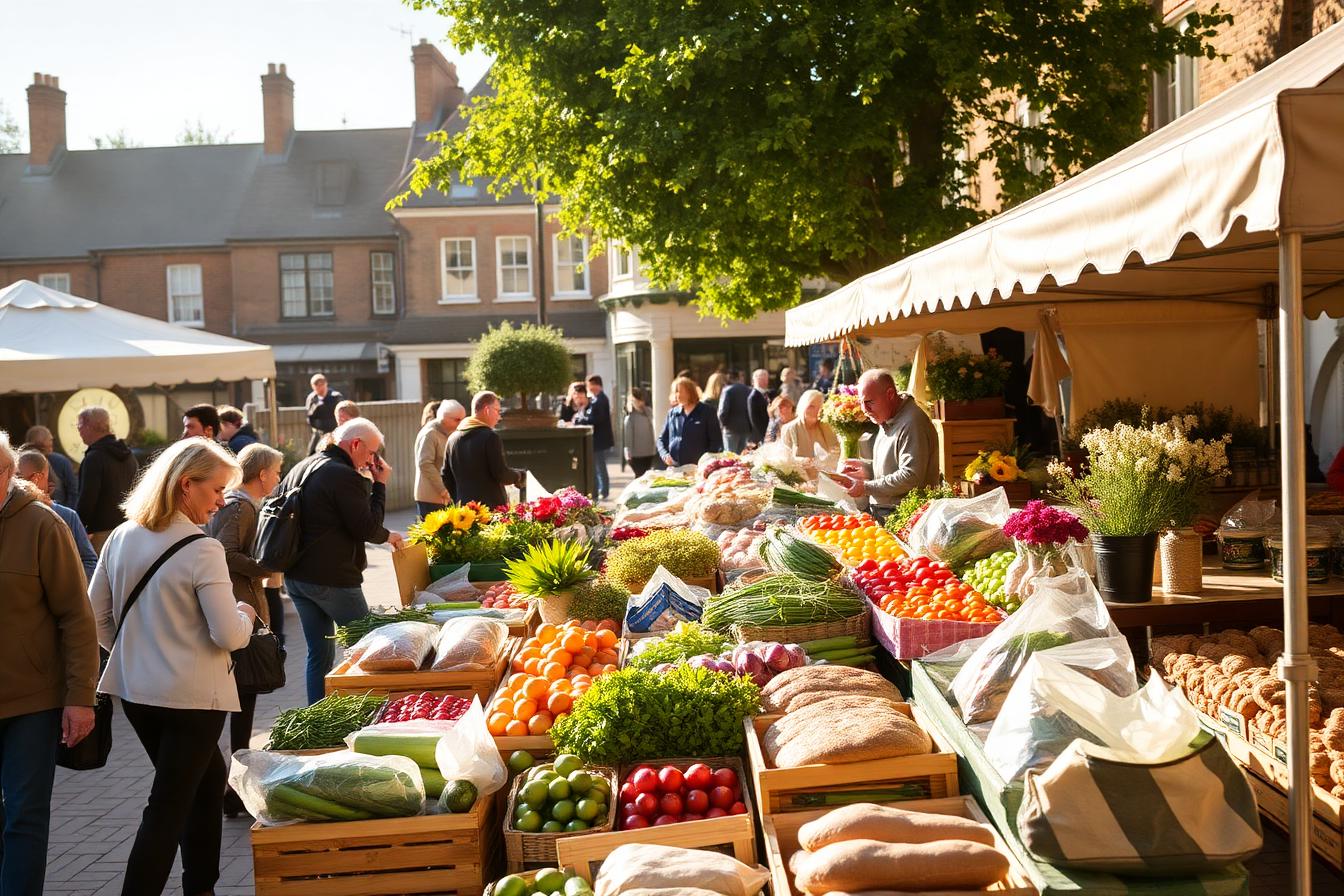
1. Legal requirements and permissions
The rules you need depend on whether the market is on public land, private land or a council-owned site. Get these in writing before you announce dates.
- Land agreement. You need written permission from the landowner or council. For a recurring market, agree the days, hours, setup window, access to power and who clears up afterwards.
- Planning permission. If you are changing the use of a space — even temporarily each week — check with your local planning authority. Some councils treat regular markets as a change of use.
- Street trading licence. On public highways or some council spaces, traders may each need a street trading consent, or the market itself may need a single licence. Contact your local council's licensing team.
- Food safety. Any trader selling food must register with their local food authority, follow allergen labelling rules and display a valid food hygiene rating. You do not need to be the food business operator yourself, but you should keep copies of trader registrations.
- Insurance. Public liability insurance is essential. If you employ staff or volunteers, add employers' liability. Ask traders for their own public liability certificates too.
- Alcohol, tobacco and music. If any stall sells alcohol you need a premises licence or Temporary Event Notice. Playing recorded music may require a PRS for Music or PPL licence.
- Health, safety and accessibility. Carry out a risk assessment, provide a first-aid kit, keep emergency access clear and make reasonable adjustments so the market is accessible.
- Data protection. If you collect trader or customer details, register with the ICO if required and store data securely.
2. Finding the right site
A good site makes or breaks a local marketplace. You want footfall without blocking traffic, and enough space for stalls, shoppers and emergency access.
| Factor | What to look for |
|---|---|
| Footfall | Near a high street, station, car park or existing Saturday shopping route. Visit the spot at the proposed time and count passers-by. |
| Parking and access | Traders need to unload close to their pitches. Shoppers need short-term parking or good public transport links. |
| Shelter | Some cover helps in British weather. Gazebo-friendly space or a covered area keeps traders and produce dry. |
| Facilities | Toilets, hand-washing, waste disposal and a reliable power source make a market far easier to run. |
| Size and layout | Allow roughly 3 metres frontage per stall plus aisles. Map out single, double and triple pitches before you recruit. |
3. Recruiting traders
A farmers market lives or dies by its stallholders. Aim for a mix that feels like a market, not a fair: roughly 80% food and drink producers with a small selection of plants, crafts and hot food to round it out.
- Start local. Visit nearby markets, farm shops and food festivals. Producers who already travel to markets are the easiest to recruit.
- Use social media. Post in local food groups, on Instagram and in business forums. A simple "new farmers market launching in [town]" message attracts enquiries quickly.
- Define your product mix. List the categories you want — bread, dairy, meat, vegetables, preserves, plants, street food — and fill gaps deliberately. Too many similar stalls dilute sales.
- Set clear terms. Publish your pitch fees, deposit, cancellation policy and what traders must bring. A short trial period helps both sides decide if the market works.
- Onboard properly. Collect insurance, food registration and product photos before the first day. Confirm pitches and arrival times in writing.
4. Running your first market day
A calm first day sets the tone for the local marketplace becoming a regular fixture.
- Arrive early. Give traders at least an hour to set up before opening. Have a printed pitch plan and a steward on the gate.
- Signage. A-boards at nearby junctions, flags and a clear entrance help shoppers find you.
- Take payments. Most traders use card readers. If you collect pitch fees on the day, keep a float and a record.
- Gather feedback. Ask traders and shoppers what worked. Use it to adjust pitch sizes, timings and product mix for the next event.
5. Making it sustainable
Once the market is running, reduce the admin before it becomes a burden. Move trader applications, pitch bookings and payments online so you are not chasing invoices or updating spreadsheets each week. The organisers who grow fastest treat the market like a small business: regular hours, consistent marketing and reliable systems.